A fence seems basic till it fails. I have stood in a lot of Melbourne yards diagnosing leaning blog posts, swollen entrances, and wavy lines of panels that never ought to have passed the eye examination. The majority of property owners assume a fencing is timber or steel and a few bags of concrete. Actually, a good fence is a system tuned to site problems, material actions, neighborhood laws, and the tough lessons you just discover after years on the devices. If you are comparing quotes from a Fence Company Melbourne homeowners suggest, or intending component of the work yourself, comprehending where projects go wrong will certainly conserve you money and headaches.
This overview sets out the blunders I see usually across the city: sandy bayside soils that swallow shallow posts, responsive clays that relocate with the seasons, gateways that sag due to the fact that the geometry was incorrect from day one, and limit lines presumed as opposed to surveyed. I will certainly additionally cover context that matters here, like wind rankings in the western suburban areas, salt direct exposure near the bay, and how a Melbourne Fencing Company must choose hardware that survives our weather condition cycle.
Why fencings fall short early
Most failings map back to a chain of small, avoidable selections at the start. The post holes were undersized, the concrete was mixed too damp, the rails were spaced by eye, or the specialist didn't represent slope. On a new build in Craigieburn, I inspected a colorbond fencing that leaned after its initial winter. The builder utilized 450 mm deep message openings in extremely responsive clay. As soon as the ground swelled, it raised the concrete plugs like corks. The fence slanted, broken at the rail links, and needed eight messages re-set to 700 mm with bell bottoms and crushed rock collars for drainage.
The evaluation educated two lessons. First, the soil determines grounds, not the schedule or the budget plan. Second, installment faster ways show promptly when weather and soil move in contrary directions.
Reading your website before choosing materials
Melbourne's geography places wildly different problems within a short drive. A Fencing Company Melbourne residents trust fund need to be able to walk your website and talk through these compromises in plain terms, not simply factor at a shade chart.
- Bayside suburbs from Port Melbourne through Seaford: sea air brings salt that assaults uncoated steel. Usage colorbond or powder-coated light weight aluminum with marine-grade fasteners. Seal cut edges properly. Hardwood can last, yet specify stainless dealings with and preserve oiling. Western suburban areas like Werribee, Tarneit, and Melton: winds are more powerful and much more regular. Fencings require much deeper messages, reduced panel heights or even more supporting, and heavier gauge steel if choosing colorbond. Inner-north clay belts: Coburg, Preston, Storage tank rest on responsive clay. Style grounds to lower heave pressure. Take into consideration posts set in a drier blend with water drainage accumulation and geotextile sleeves. Leafy eastern suburbs: even more tree roots and shading. Lumber fencing bases remain moist, advertising rot. Keep rails off the dirt, take into consideration concrete plinths or steel posts with timber infills.
A Melbourne Fence Company that recommends the same blog post deepness and gauge throughout all websites is signaling inexperience. Ask what they discovered on their last task two streets over. If the answer is generic, maintain looking.
Boundary lines and lawful headaches
A fence can be completely constructed in the wrong location. I have seen neighbors invest more on lawyers than the fence itself since someone counted on a fading paling line as a border pen. In Victoria, both neighbours share responsibility for a splitting fence under the Fences Act 1968 (with changes). Councils will not resolve conflicts, and fencing service providers are not surveyors.
If your building is new, or the old fence line looks ad hoc, get a title re-establishment survey. It is not economical, but moving a fence later is even worse. On a townhouse project in Brunswick, the initial paling fencing rested 180 mm inside the client's great deal. We flagged it early, generated a surveyor, and reset the line. The neighbor thanked us as soon as he realized he got a cool strip of dirt he had actually been preserving for years.
A professional Fencing Company will certainly consist of an allowance for minor line changes https://codyfence-installerefun322.timeforchangecounselling.com/a-step-by-step-guide-to-dealing-with-a-fencing-company-in-australia and will note the line with strings and set-out secures before excavating. If a neighbor objects, time out. Do not start excavating to keep to a timetable. A day's delay is far better than a VCAT hearing.
Footings: depth, form, and mix
Post grounds are where several Melbourne fences go wrong. The error is twofold: not going deep enough and using the wrong concrete approach for the soil.
- Depth: for common 1.8 m fencings, I aim for 650 to 800 mm depending on wind direct exposure and dirt. In sand, go deeper and take into consideration a flared bell at the base. In responsive clay, a stepped or belled base withstands uplift. Diameter: 250 to 300 mm for 65 to 75 mm articles is an usual spec. Larger bases give much better bearing. If you remain in high wind areas or making use of much heavier panels, boost size rather than relying only on depth. Mix: nabbed post mix is hassle-free, however many installers make it too wet, which deteriorates the collection and reduces extra. In clay, I choose a drier, hand-compacted blend with a gravel collar on top to break capillary activity and dropped water. In sandy dirts, a wetter mix with a roughed up opening wall surface raises bond. Drainage: water merging at the blog post base creates hardwood rot and steel corrosion. Crown the top of the concrete in the air line and leave a slight autumn away from posts.
On a work in Hoppers Crossing, a home owner called after three colorbond panels appeared a solid northerly. The fence made use of lightweight messages and cool, small plugs of concrete flush with the soil. We replaced sections with much deeper, belled grounds, crowned them, and added a gravel skirt under the panels to decrease wind suction at ground level.
Respecting slope and step-down strategy
Melbourne blocks are not flat. A fencing that looks directly from one angle can be a sawtooth from an additional if you overlook surface. Two setup patterns prevail: raked and stepped. Raked panels adhere to the slope with identical leading and bottom lines, creating an angled look throughout each bay. Tipped panels remain level and drop at messages, generating a stairs profile.
Problems emerge when a professional attempts to force level panels into a steep quality with large, irregular gaps near the bottom. Pet dog getaway, soil rinses, and it looks careless. The other side is a raked colorbond panel where the sheet ribs transform elevation and leave triangular spaces at the ends.
A good Melbourne Fencing Company will stroll the line, measure tip over each bay, and choose the least obvious remedy. Often the very best result mixes both: action across the high areas, rake gently where the fall is small, and set up cured plinths or sleepers to close ground voids. If that is agreed on upfront with sketches, you avoid "that is not what I visualized" arguments.
Gate droop: more style than hardware
People blame pivots when entrances droop. In technique, an entrance fails due to geometry and framework, not the joint brand. The most common mistakes consist of overspanning a lightweight frame, hanging an entrance on a single blog post that already holds fence tons, and overlooking swing arc and lock placement over time.
For a 1.2 m pedestrian entrance in timber, utilize a correct bonded steel structure or a minimum of a full diagonal support from the bottom lock side to the leading joint side, fastened with strong lumber with screws, not screws right into end grain. On colorbond or light weight aluminum, match the gate structure gauge to the fencing messages. If wind direct exposure is high, think about an additional hinge and a locking drop-bolt to ease stress.
On a gusting edge in Point Prepare, we changed a 1.5 m vast side gate that had actually chewed via 3 sets of hinges in two years. The repair was not much heavier joints. We divided the opening right into 2 narrower leaves, added a central drop-bolt receiver, and relocated the lock to remove torsion. The home owner called after the next storm to claim the fence still made noise, however evictions did not move.
Material choice with Melbourne's climate in mind
Timber, steel, light weight aluminum, and composite each have their place. The right choice relies on look, budget, and upkeep appetite.
Timber paling fences prevail and economical, but they are the least forgiving of errors. Use kiln-dried treated pine for rails and palings with the treatment level appropriate for ground contact where appropriate. Keep rails off soil, and space palings with a regular 10 to 12 mm void if air circulation is important. If you desire personal privacy right now, dual paling or lapped palings work, yet they are heavier. The messages need to be sized and footed as necessary. Hardwood blog posts last longer than dealt with pine but set you back even more and need right pre-drilling to avoid splitting.
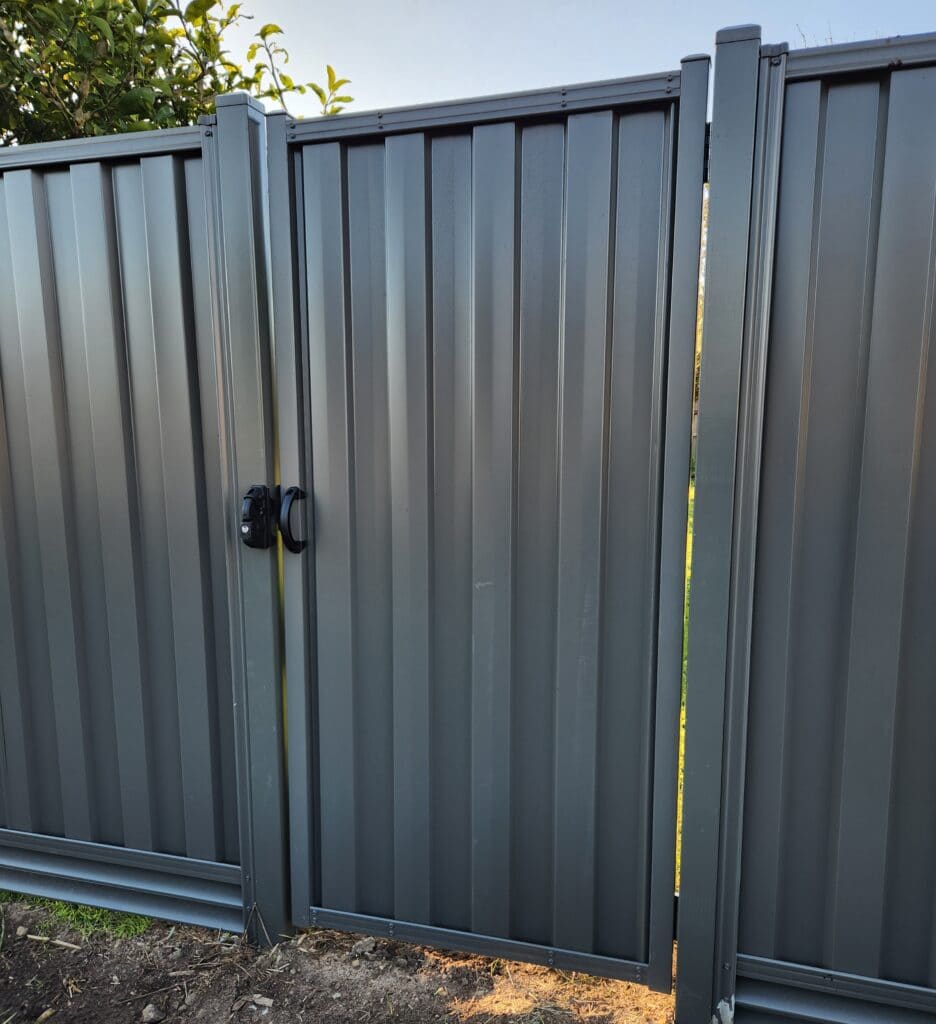
Colorbond steel is prominent throughout Melbourne for privacy and reduced maintenance. The blunder here is using off-brand sheets with slim coverings, not sealing cut edges, and making use of zinc-only fasteners near the bay. Suit panel elevation and post scale to wind direct exposure, and secure the bottom rail so particles does not trap moisture. Color option influences warm; dark colours can make nearby paths hot and exacerbate growth sounds on warm days.
Aluminum slats or battens provide a contemporary look and withstand deterioration, yet they can rattle if the spans are lengthy and mendings sparse. Use rubber inserts or anti-rattle repairings. Check local regulations for pool locations; slat spacing have to meet security regulations.
Composites vary commonly. The mistake is treating them like lumber, over-screwing, or ignoring producer development spaces. In straight western sun, compounds can expand a couple of millimetres per metre. If your Melbourne Fencing Company can not show mount overviews and ended up regional examples that are at least a couple of years of ages, be cautious.
Handling wind: style, not hope
Wind tears out fencings that were great for years and then fall short in one negative storm. The western plains and coastal sides are the typical suspects. Countering wind is not simply deeper blog posts. Take into consideration absorptive sections near edges, reduced panel height, or changing orientation of slats to reduce resistance. At corners, use heavier articles and triangulate tons. A fence that dog-legs around a courtyard requires supporting at the returns, not simply a solitary edge post.
We strengthened an edge surround Altona by upgrading the edge post to a 100 mm steel with a 900 mm deep ground and added a short return panel with a concealed support. The customers disliked the idea of thicker steel in the beginning, yet the visual distinction was small compared to the strength gained.
Concrete, moisture, and timber movement
Melbourne's damp winters and completely dry summers relocate wood. If the rails are green and the palings completely dry, everything will certainly move in the first year. To keep a neat line:
- Stagger joints and maintain rail signs up with over messages with correct fishplates or braces on steel. Nail patterns matter. Use two nails at the top and facility rail, one near the bottom to enable small movement without splitting. For hardwood palings, pre-drill near edges. Oil or paint subjected lumber tops. Water wicks down the grain and reduces life, particularly on capping.
Concrete plinths or sleepers at the base are prominent for preserving a little fall in the ground or securing palings. The blunder is using them as keeping wall surfaces past their ranking. If you require to keep back greater than 200 to 300 mm of soil constantly, use appropriate engineered retaining with steel H-posts and thicker sleepers. Anything else will bow and crack, and you will certainly be back to fix it earlier than you would certainly like.
Working around services
Hitting a gas line or electrical conduit while excavating a message hole damages everybody's day. Dial Prior To You Dig is not optional. In well established residential areas, old clay sewer lines twist, and stormwater extensions do not always match strategies. A mindful Melbourne Fencing Company will pothole by hand near thought lines and adjust footing positions or use balanced out plates to prevent services.
In Elsternwick, we changed 3 fence posts by 150 mm to get rid of a shallow stormwater. The modification implied a custom panel width, which added a little fabrication time. It was still much less costly than reducing, re-routing, and re-permitting drainage.
Noise, neighbors, and completing touches
A fence can be developed to spec and still discourage due to sound or unpleasant ending up. Loose covering, rattling slats, and gateways that bang in wind are preventable. Use nylon washers with steel mendings where resonance is most likely. On colorbond, insert anti-rattle foam where sheets fulfill top and bottom rails if the website is revealed. Maintain bolt lines right. Jagged screws are the fingerprint of a rushed crew.
Neighbours appreciate a clean website. Eliminate concrete spoil, rake the dirt, and, if family pets exist, set up a short-term barrier up until the ground resolves under gates. A final walkthrough that examines latch height, post plumb, and panel alignment takes 10 minutes and prevents call-backs.

Permits, elevations, and what councils in fact care about
Most limit fencings as much as 2.0 m in residential areas do not require a building authorization, but there are exceptions. Edge blocks with sightline demands, pool obstacles, and heritage overlays all transform the regulations. Painting a side of a fence may be restricted in heritage areas. Swimming pool barrier guidelines are stringent and audited. Do not blend pool secure fencing with a limit fencing without checking heights, climbable aspects, and lock positions.
A sophisticated Melbourne Fencing Company earns its keep by browsing these guidelines, not by ignoring them. If a specialist disregards conformity concerns, that is a warning.
What a reputable quote looks like
An expert quote from a Fencing Company Melbourne house owners can trust checks out like a tiny scope file. It names materials by grade or brand name, lists article sizes and depths, includes disposal and clean-up, and notes who manages licenses or surveys. It needs to deal with website specifics: soil problem, incline, drain, and any kind of tree origin administration. Provisionary sums should be limited and clear, such as an allowance for rock excavation or solution avoidance.
Beware of quotes that just claim "1.8 m hardwood fence, supply and mount" with a lump sum. Those generally expand with variants, and you will certainly say regarding the finish high quality. Comprehensive quotes decrease conflicts due to the fact that everyone agrees on what is being built.
When to push back on a contractor
You do not require to micromanage a team, yet there are moments to stop the work. If the articles go in and you can see a noticeable zigzag lengthwise, request for a string line check. If the gate opening was framed without measuring your real entrance hardware, stop and arrange it. If rain beginnings and the team maintains putting really damp concrete to function faster, ask to stop. A fence needs to last 15 to 25 years depending upon materials. A day's delay to do it best is absolutely nothing over that timeline.
A sensible pre-installation checklist
Use this brief listing before the first hole is dug. It is not exhaustive, however it covers the problems that create most call-backs.
- Confirm limit line with pegs or a survey where in doubt, and have next-door neighbor arrangement in writing. Specify message dimension, footing depth and size, and concrete method based upon site dirt and wind. Agree on step or rake strategy for slopes, consisting of plinths or sleepers where needed. Select materials suited to microclimate: marine fasteners near the bay, larger posts in wind areas, correct timber therapy levels. Plan gateway widths, hinge and latch hardware, and swing direction with clearances for paving, meters, or bins.
Aftercare that really matters
The first year is when most movement takes place. For lumber, expect some contraction and the periodic paling that mugs. A great installer will come back for a quick tune-up if you flag little concerns early. Maintain plants off the fencing line. Creeping plants look beautiful for some time, after that trap moisture and lift capping. For colorbond, pipe down salt at the base every couple of months if you are near the shore, and keep soil from developing against the sheets. Tighten up loose gateway hardware annually and lube locks with dry lube so grit does not cake.
I once had a client in Sandringham that cleansed the seaward face of his colorbond fence with fresh water after gusty days. 10 years on, the coating still looked practically new. The next-door neighbor's side, delegated salt and disregard, revealed chalking and deterioration along the base.
Choosing a companion, not simply a price
The most inexpensive quote is usually a handful of shortcuts hidden in a cool number. Look for a Melbourne Fencing Company that welcomes technological questions, clarifies their options, and recommendations regional tasks you can check out. If they determine dangers on your site without being motivated, that is a solid sign. If they bring the ideal insurance coverages, provide a clear routine, and outline a guarantee that speaks to materials and workmanship, you will likely have a smoother build and a fence that lasts.
A fence does quiet work, noting boundaries, keeping youngsters and animals risk-free, and providing personal privacy without asking for attention. When it is developed appropriately, it disappears right into your every day life. When it is not, you will discover it every windy night or when eviction scratches after the first rain. Deal with a fence professional that treats design, site problems, and completed with the regard they are worthy of. Whether you employ a Melbourne Fence Company for the entire job or tackle parts yourself, prevent the usual mistakes at the beginning and you will rarely think about your fencing once more, which is the very best outcome of all.